
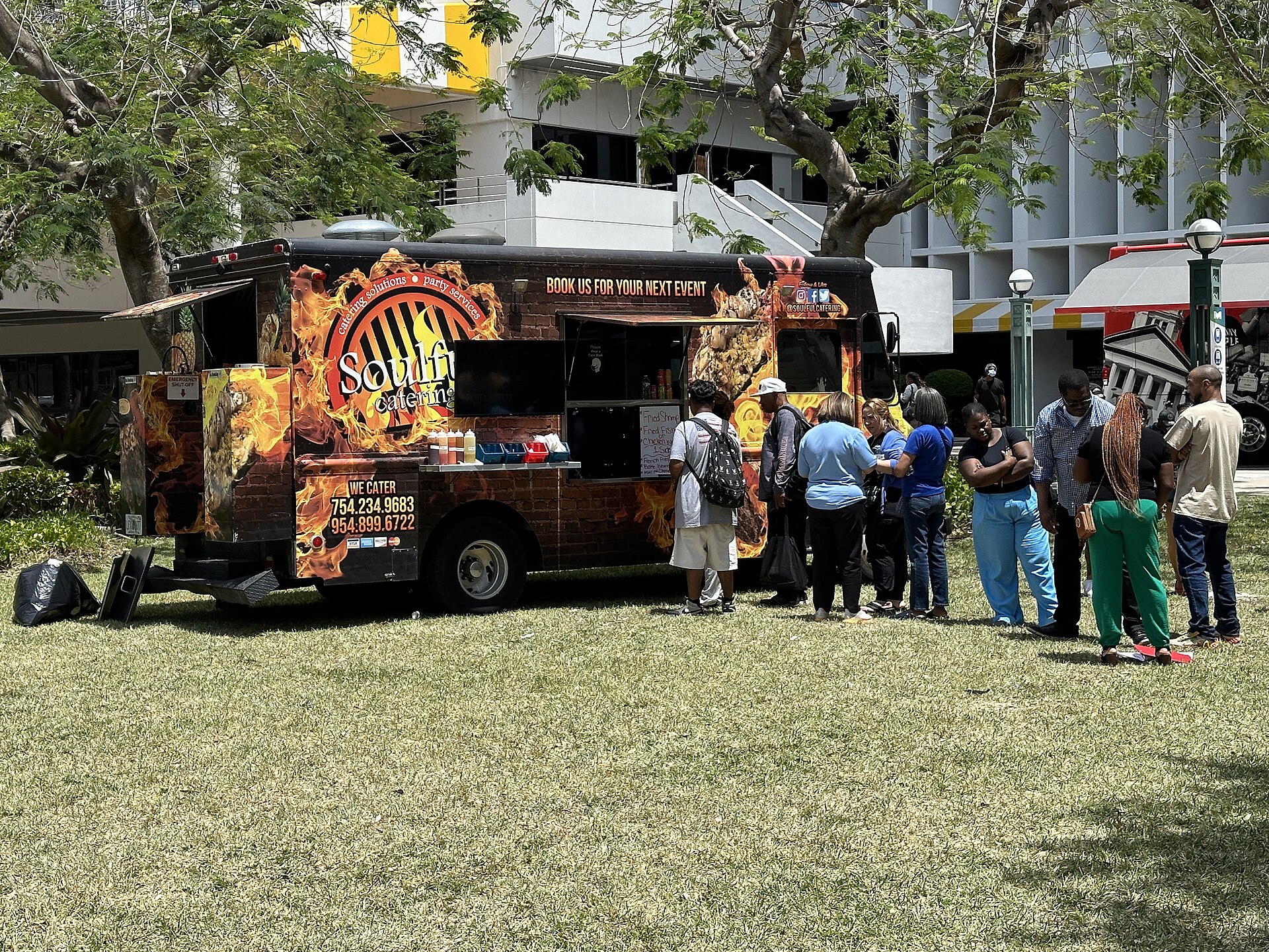
Miami is one of the most interesting eating cities in the United States, and the reason is simple: the food follows the people. Cuban, Haitian, Colombian, Venezuelan, Peruvian, Argentine, Nicaraguan, Bahamian and Jewish delicatessen traditions all live inside a metro area you can cross in under an hour. This Miami food guide breaks the city down neighborhood by neighborhood so you know where to eat, what the signature dishes actually are, and roughly what you should expect to pay in 2026.
The single most useful thing to understand before you start eating here is that Miami is not one food city. Little Havana eats differently than Brickell. North Miami Beach eats differently than Coconut Grove. If you only eat on Ocean Drive, you will leave thinking Miami is expensive and mediocre. If you drive fifteen minutes inland, you will eat some of the best value food in the country.
| Neighborhood | Known For | Typical Dinner Spend |
| Little Havana | Cuban classics, ventanitas, Calle Ocho | $12 to $30 per person |
| Wynwood | Creative casual, breweries, food halls | $25 to $55 per person |
| Brickell | Upscale modern, business dining, rooftops | $50 to $120 per person |
| South Beach | Seafood, steakhouses, hotel dining | $60 to $150 per person |
| Coconut Grove | Relaxed patios, brunch, waterfront | $30 to $70 per person |
| Little Haiti | Griot, legume, oxtail, Caribbean bakeries | $12 to $25 per person |
| Doral | Venezuelan arepas, Colombian, food trucks | $10 to $25 per person |
| Coral Gables | Fine dining, Spanish, tasting menus | $60 to $150 per person |
| North Beach / Surfside | Argentine, Brazilian, kosher, Israeli | $25 to $60 per person |
If you are deciding where to base yourself, the food scene should genuinely factor into it. Our best neighborhoods in Miami breakdown covers the tradeoffs in more detail.
Calle Ocho is the anchor of Miami’s Cuban identity. Versailles Restaurant is the institution, both as a restaurant and as a political stage where the community gathers whenever news breaks about Cuba. La Carreta is the neighborhood-family counterpart, open extremely late and reliable for a plate of ropa vieja or lechon asado with rice, black beans and sweet plantains.
The real ritual, though, is the ventanita, the sidewalk walk-up window. You order a colada, a small styrofoam cup of sweetened espresso meant to be shared, and you drink it standing up. A cafecito typically runs a dollar or two. Pair it with a pastelito de guayaba and you have the most Miami breakfast possible for under five dollars.
Sanguich de Miami elevated the Cuban sandwich into something people plan trips around, curing their own meats in house. Cafe La Trova blends a serious cocktail bar with cantinero-style bartending and Cuban cooking. For a deeper walk-through, see the Little Havana food guide and the full Miami Cuban food guide.
Miami sits on the water and the seafood reflects it. Stone crab season runs roughly mid-October through early May, and Joe’s Stone Crab in South Beach is the name everyone knows. Expect a wait, expect market pricing that moves with the catch, and expect the hash browns and key lime pie to be as memorable as the claws.
Beyond Joe’s, the more local move is a casual fish house. Garcia’s Seafood Grille & Fish Market on the Miami River serves fried grouper and conch fritters with boats going past the deck. Casablanca on the Bay is a similar waterfront-plus-fish-market model. Peruvian ceviche and Colombian style seafood soups are everywhere in the western neighborhoods and typically cost a fraction of the beachfront equivalent. Our Miami seafood guide covers season timing and pricing in detail.
Brunch in Miami is a genuine event, not an afterthought. Expect long waits between 11am and 1pm on weekends, bottomless mimosa packages priced in a broad range, and a strong preference for outdoor seating. Coconut Grove and Brickell run the most reliable brunch scenes, while South Beach skews toward hotel restaurants with music and a scene attached.
Rooftops are the evening equivalent. Sugar at EAST Miami in Brickell City Centre is the best known for skyline views, and Juvia in South Beach pairs a terrace with a Japanese-Peruvian-French menu. Dress codes are real at the higher-end places, and happy hour is where you save meaningful money. See the best rooftop bars in Miami and the Miami brunch guide for specifics.
Miami has a reputation for expensive food that is only half deserved. The expensive half is concentrated in tourist corridors.
If you are pricing out a move rather than a trip, our cost of living in Miami guide puts food spending in context with rent and transport.
The high end has matured. Coral Gables and the Design District host serious tasting-menu restaurants, and Brickell carries the modern steakhouse and Japanese scene. Reservations at the top tier should be made weeks ahead, especially between December and April when seasonal visitors fill the city.
Food halls are the best way to sample without committing. Time Out Market Miami in South Beach gathers a curated set of local chefs under one roof, and 1-800-Lucky in Wynwood does the same with an Asian focus. They are ideal for groups that cannot agree, and portions are usually in the $15 to $25 range.
Planning a full itinerary? Pair your eating plan with things to do in Miami so you are not driving across the county between meals.
What food is Miami actually famous for?
Cuban food above all: the Cuban sandwich, croquetas, ropa vieja, and cafecito culture. Stone crabs, fresh Florida fish, key lime pie, and the broader Latin American range including Venezuelan arepas and Peruvian ceviche round out the identity.
How much should I budget per day for food in Miami?
A budget-conscious eater sticking to Little Havana, Doral and food trucks can eat well on roughly $35 to $50 a day. A mid-range mix of casual lunches and sit-down dinners typically lands around $80 to $120. South Beach and Brickell fine dining can push a single dinner past $150 per person before drinks.
Do I need reservations in Miami?
For anything upscale during peak season, yes, and ideally two to four weeks out. Casual Cuban restaurants, food halls and food trucks are walk-in. Joe’s Stone Crab famously does not take reservations, so plan to wait or go early.
Pick two or three neighborhoods rather than trying to eat across the whole county in one trip. Start with Little Havana for the cultural baseline, add a waterfront seafood meal, and finish with one rooftop or upscale dinner. From there, work through the linked neighborhood guides above to build a plan that matches your budget and where you are staying.