
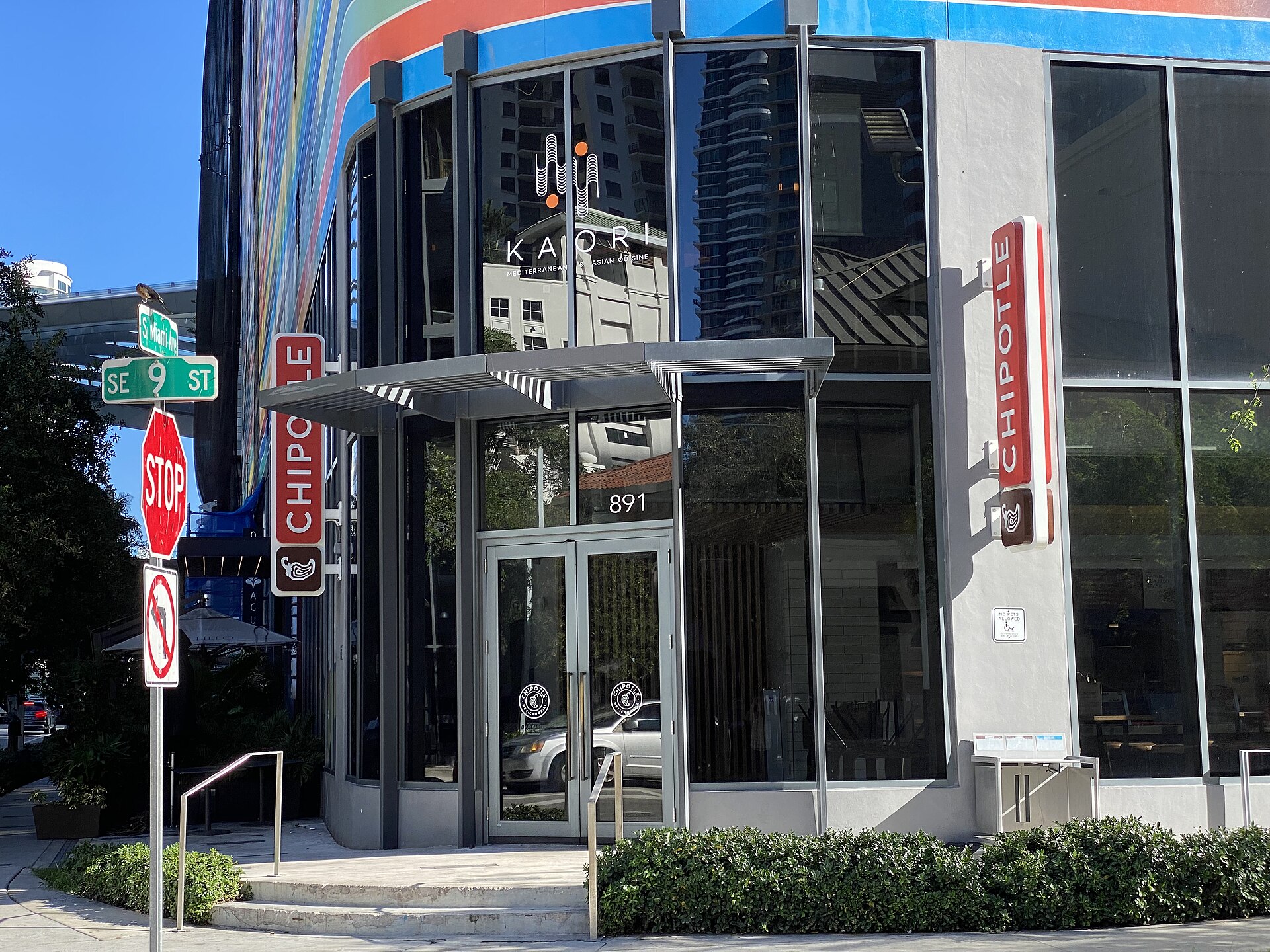
Choosing the best neighborhood in Miami depends almost entirely on who you are, what you can spend, and how you want to spend your time. The city is a patchwork of distinct areas, not one continuous place. Brickell and Wynwood could be on different planets. Coral Gables and South Beach feel like rival cities. This guide breaks down ten of the most relevant Miami neighborhoods by lifestyle, budget, and character, and links to deeper individual guides for each one.
We are focusing on neighborhoods that matter to real decisions: where to live, where to stay, or where to spend a full day. The first group is covered in dedicated individual guides. After those, we add two more that did not merit their own post but round out the picture for families and anyone looking for value.
These six neighborhoods are the ones most visitors and relocators ask about first.
Brickell is Miami’s financial center and the closest thing the city has to a modern downtown. Glass towers overlook Bayside, the Brickell City Centre shopping complex sits under an open air roof, and the Metromover loop makes getting around without a car possible. Nightlife here leans rooftop and cocktail bar rather than club. It is dense, vertical, and expensive, but it is also the most walkable part of Miami besides South Beach. The trade off is the lack of green space within the core.
Full guide: Brickell Miami Guide
Wynwood is the city’s creative engine. The murals are the headline, but behind them sit galleries, independent coffee shops, a strong restaurant scene, and a real sense that something is always happening. It is not as family oriented as Coconut Grove and it is not particularly peaceful, but it is the neighborhood that feels most like a modern urban arts district. Rents have climbed significantly as the area has matured. Parking is a headache on weekends.
Full guide: Wynwood Miami Guide
Coconut Grove is Miami’s oldest neighborhood, and it still has the most tree canopy. It is low rise, leafy, walkable and relaxed, with a village center full of independent restaurants and a marina on the bay. Families love it because it feels residential and close to nature while still being central. The main limitation is that the Grove does not sit on a swimmable beach. You drive or bike to Crandon Park on Key Biscayne in ten to fifteen minutes.
Full guide: Coconut Grove Miami Guide
Coral Gables is an incorporated city inside Miami Dade, historically planned and tightly maintained. The Venetian Pool, the Biltmore Hotel, and the University of Miami all sit within its borders. It is more formal and manicured than the Grove, with wider streets, Mediterranean architecture, and strong public schools. It is expensive, but the housing stock and quality of life are a step above much of the rest of the county. The distance from the beach is the main complaint.
Full guide: Coral Gables Miami Guide
Little Havana is the cultural heart of Cuban Miami and the most affordable central neighborhood on this list. Calle Ocho is lively, the food is cheap and excellent, and the street culture is unlike anything else in South Florida. It is not polished, and it is not quiet, but it is authentic and improving without losing its character. A short drive puts you downtown or on the beach. For a full walk and restaurant picks, see the detailed guide.
Full guide: Little Havana Miami Guide
The Design District is a luxury shopping and gallery neighborhood north of Wynwood. The storefronts are architectural statements, public art is everywhere, and ICA Miami gives it a free cultural anchor. It is cleaner and quieter than Wynwood, but it does not have the same street energy. It makes an excellent day trip for anyone interested in design, and it is increasingly a place people want to live, especially as residential projects grow.
Full guide: Design District Miami Guide
These two do not have their own guides yet, but they come up frequently enough to include here.
South Beach is the neighborhood outsiders imagine when they think of Miami: neon, Ocean Drive, Art Deco facades and the Atlantic Ocean. It is genuinely beautiful and the people watching is unmatched, but it is loud, touristy and expensive in ways that the other neighborhoods on this list are not. Residential life exists mostly in the western and northern edges, away from the beach corridor. If you are visiting, a day in South Beach makes sense. If you are choosing where to live, most Miami families and professionals choose somewhere else.
Edgewater sits directly between Brickell and the Design District along Biscayne Bay. It is newer construction, dominated by condo towers, and it has been one of the fastest changing neighborhoods in Miami over the past decade. The bayfront walkway along Margaret Pace Park is excellent, and the location between Brickell and the northern neighborhoods is convenient. It lacks the personality of the older neighborhoods, but it offers modern apartments with water views at a price point below Brickell proper.
Miami housing costs vary dramatically by neighborhood. This table uses approximate 2026 market ranges, not hard data.
| Neighborhood | Typical one bedroom rent | Typical home purchase | Character |
| Brickell | $2,500 to $3,500 | $500K to $1.2M+ | Urban core, high rise |
| Wynwood | $2,000 to $2,800 | $600K to $1M+ | Arts, nightlife |
| Coconut Grove | $2,200 to $3,200 | $750K to $2M+ | Leafy, family friendly |
| Coral Gables | $2,300 to $3,500 | $800K to $2.5M+ | Formal, residential |
| Little Havana | $1,400 to $2,000 | $400K to $700K | Affordable, cultural |
| Design District | $2,400 to $3,400 | $600K to $1.5M+ | Luxury retail, galleries |
| South Beach | $2,600 to $4,000 | $450K to $2M+ | Tourist, oceanfront |
| Edgewater | $2,000 to $2,800 | $400K to $800K | Newer, bayfront |
These ranges shift quickly, so treat them as directional rather than precise.
If you want to narrow the list fast, answer four questions:
Once you have a shortlist, read the individual neighborhood guide linked above and drive through the area at two different times of day. Miami is a city where one block can change the feel of a neighborhood completely.
If you are in Miami for a trip, you will probably stay in Brickell, South Beach or Mid Beach, which are the main hotel concentrations. That is fine. But the neighborhoods that make Miami actually Miami are a short drive away and worth visiting even if you do not live in them. The things to do in Miami list covers the broader activity scene, and the free things to do in Miami guide shows where to spend time without spending money.
What is the safest neighborhood in Miami?
Coconut Grove, Coral Gables and Pinecrest consistently rank among the safest, which is one reason families choose them. South of Fifth in Miami Beach is also considered very safe and desirable, though expensive.
Where should I stay if I have never been to Miami?
Brickell or South Beach gives you the most central base with the most to do within walking distance. Coral Gables and Coconut Grove are better if you prefer a quieter residential feel and plan to drive to the attractions.
Is Miami a good place to raise a family?
Yes, particularly in Coral Gables, Coconut Grove, Pinecrest, and parts of Doral and Kendall. The schools in the south and west county areas are stronger than the inner city, and the outdoor lifestyle is a major advantage for families who use the parks and beaches.
Read the individual neighborhood guide for any area that caught your eye. Then pair it with the best beaches in Miami guide and the day trips from Miami options to build out the full picture of living in or visiting South Florida.