
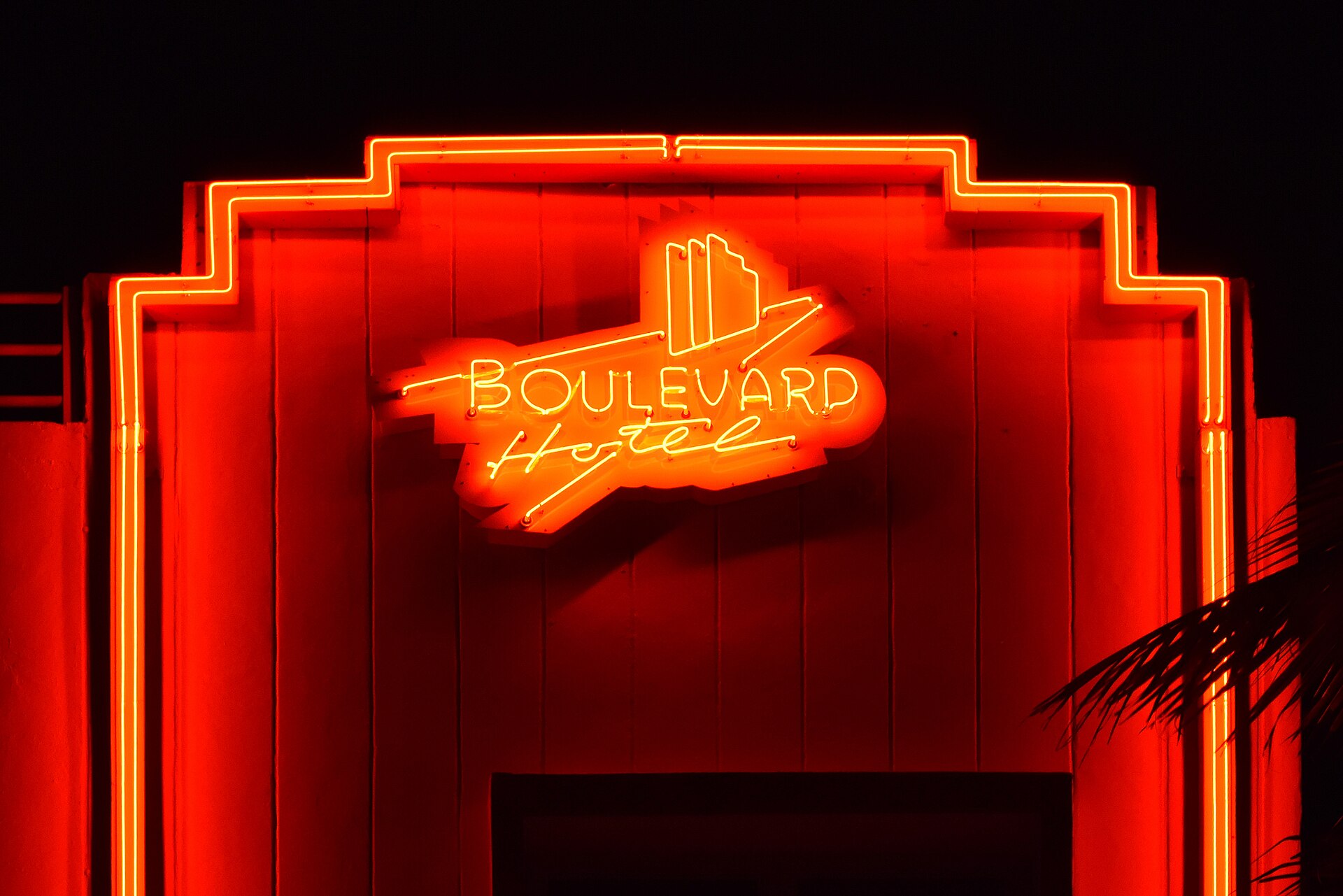
Choosing the best hotels in Miami is really a question about neighborhoods first and buildings second. Miami is not one compact downtown with a hotel district attached. It is a string of very different places connected by causeways and traffic, and a room that feels perfect in South Beach can feel isolating in Coral Gables. This guide breaks the city into the five areas most visitors actually book, explains who each one suits, and gives realistic budget tiers so you can match a price to a place before you start comparing individual properties.
Before you narrow anything down, note the calendar. Miami’s peak season runs roughly December through April, when the weather is dry and mild and rates climb sharply. Summer through early fall is hurricane season, and prices drop accordingly. The same room can swing enormously between February and September, so timing matters as much as neighborhood choice.
| Neighborhood | Best for | Beach access | Typical peak rate |
| South Beach | Nightlife, Art Deco, walkability | On the sand | Roughly $250 to $500+ |
| Brickell | Business travel, rooftop pools, dining | 15 to 25 min drive | Roughly $250 to $450 |
| Mid-Beach | Resort calm with beach frontage | On the sand | Roughly $300 to $700+ |
| Coconut Grove | Green, low key, waterfront | 25 to 35 min drive | Roughly $200 to $400 |
| Coral Gables | Quiet, architectural, residential | 30 min plus drive | Roughly $200 to $400 |
Treat these as directional ranges rather than quotes. Shoulder months and midweek stays often land well below the low end, and holiday weekends can exceed the high end substantially.
South Beach is what most people picture when they imagine Miami. The Art Deco district along Ocean Drive and Collins Avenue holds the highest concentration of hotels in the city, and almost all of them are walkable to the sand. Lincoln Road handles shopping and casual dining, Espanola Way handles the photogenic dinner, and Ocean Drive handles the noise.
That noise is the tradeoff. Rooms facing Ocean Drive or Collins can be loud well past midnight, especially on weekends. If you want South Beach without the volume, look at the quieter blocks in the South of Fifth area, which sits at the southern tip and feels considerably more residential while staying walkable to the beach.
Well known options across tiers include The Betsy and The Setai at the high end, the Loews Miami Beach as a large full-service resort, and a long tail of renovated Deco properties in the mid-range. Book a room facing a courtyard or the interior if you are a light sleeper.
Brickell is Miami’s financial core and its most vertical neighborhood. Hotels here are modern towers with rooftop pools, gyms that people actually use, and elevators rather than beach paths. It is the strongest choice for business travelers, and it has become a genuinely good base for food-focused trips thanks to the density of restaurants along Brickell Avenue and inside Brickell City Centre.
You are not on the beach. Expect a 15 to 25 minute drive to South Beach depending on causeway traffic, which gets meaningfully worse on weekend evenings. In exchange you get walkable dining, easier parking, and rooftop pool views that beach hotels cannot match. The EAST Miami and the Mandarin Oriental on nearby Brickell Key are the properties most often cited here.
Mid-Beach runs roughly from the mid 20s streets up through the 40s on Miami Beach. It is beachfront like South Beach but far calmer, and it holds several of the city’s most ambitious resorts. The Faena District anchors the upper end, and the stretch around Collins has a strong cluster of large pool-and-cabana properties.
This is the right pick if you want to spend most of your time at your hotel rather than exploring on foot. Restaurants are more spread out and you will use rideshare more often than in South Beach, but the beach is quieter and the pools are better.
Coconut Grove is leafy, waterfront and low rise. It suits travelers who want a calm base with good independent restaurants and marina views, and it works well for families who do not need to be on the sand every day. Coral Gables is the most architecturally consistent part of Miami, with Mediterranean Revival buildings, wide tree-lined streets and the Miracle Mile dining strip. The Biltmore is the landmark property here.
Both are 25 to 35 minutes from the beach without traffic. If your trip is mostly beach-driven, that commute will wear on you. If your trip is about food, walking, and calmer evenings, both are strong value compared with beachfront rates. For a deeper breakdown of how these areas differ day to day, see our guide to the best neighborhoods in Miami.
Is it worth staying on the beach or is Brickell fine?
If beach time is the main point of the trip, stay on the beach. The causeway commute is short in theory and long in practice on busy evenings. If you are here to eat, work, or explore the mainland, Brickell is the better base and often the better value.
When are Miami hotel rates lowest?
Generally late summer into early fall, which overlaps hurricane season. May and early June, plus September and October, tend to offer the best balance of lower rates and manageable weather. Peak pricing runs December through April.
How many nights do I need for a first Miami trip?
Three to four nights covers the beach, one neighborhood day and a couple of good dinners. Five or more lets you add the Everglades or the Keys. Plan around our list of things to do in Miami before locking the itinerary.
Pick the neighborhood first, then set your budget tier, then compare individual properties within that narrowed set. If you are still deciding on the broader plan, start with our overview of where to stay in Miami and check the best beaches in Miami to confirm which stretch of sand you actually want to be near.