
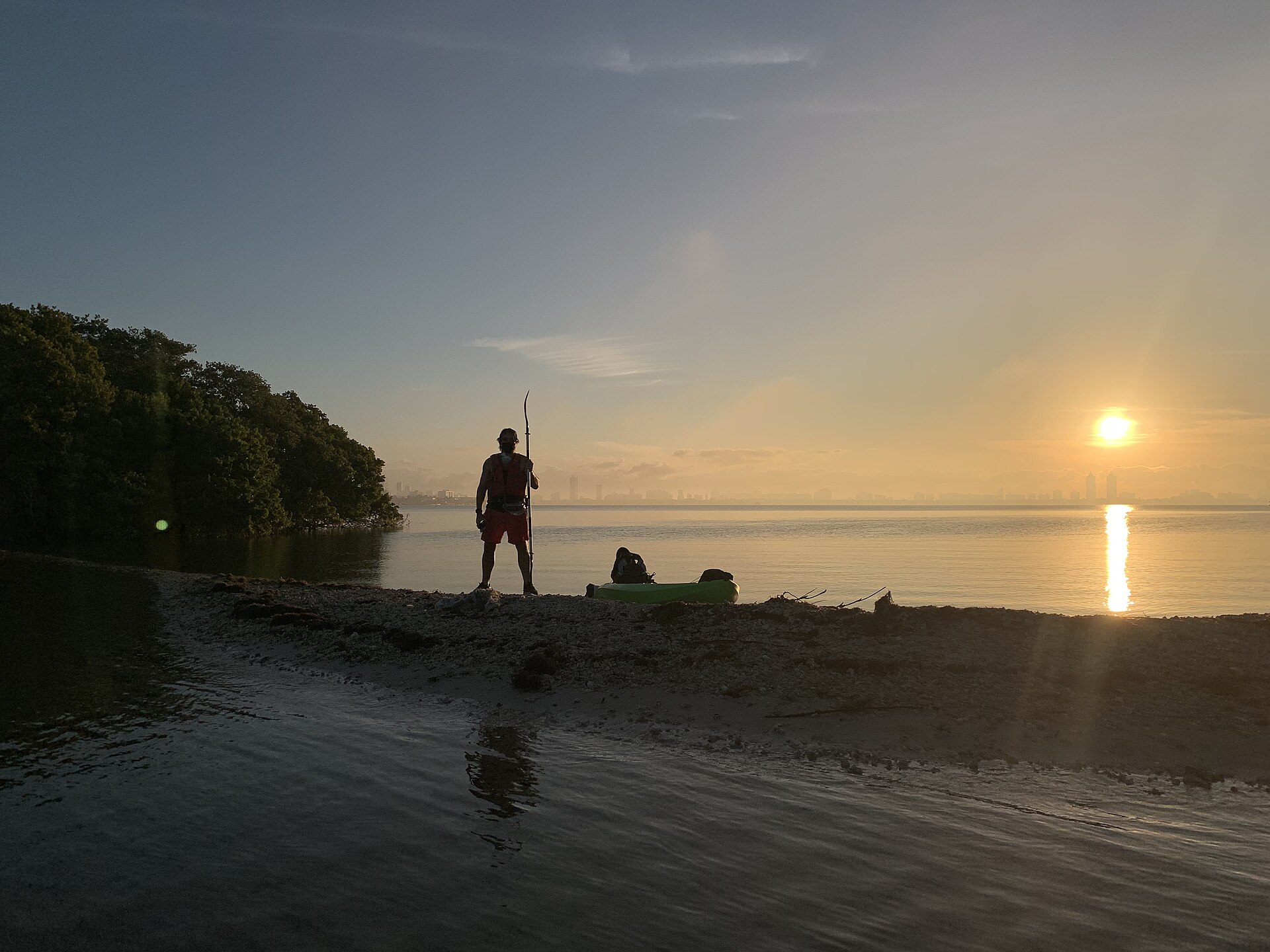
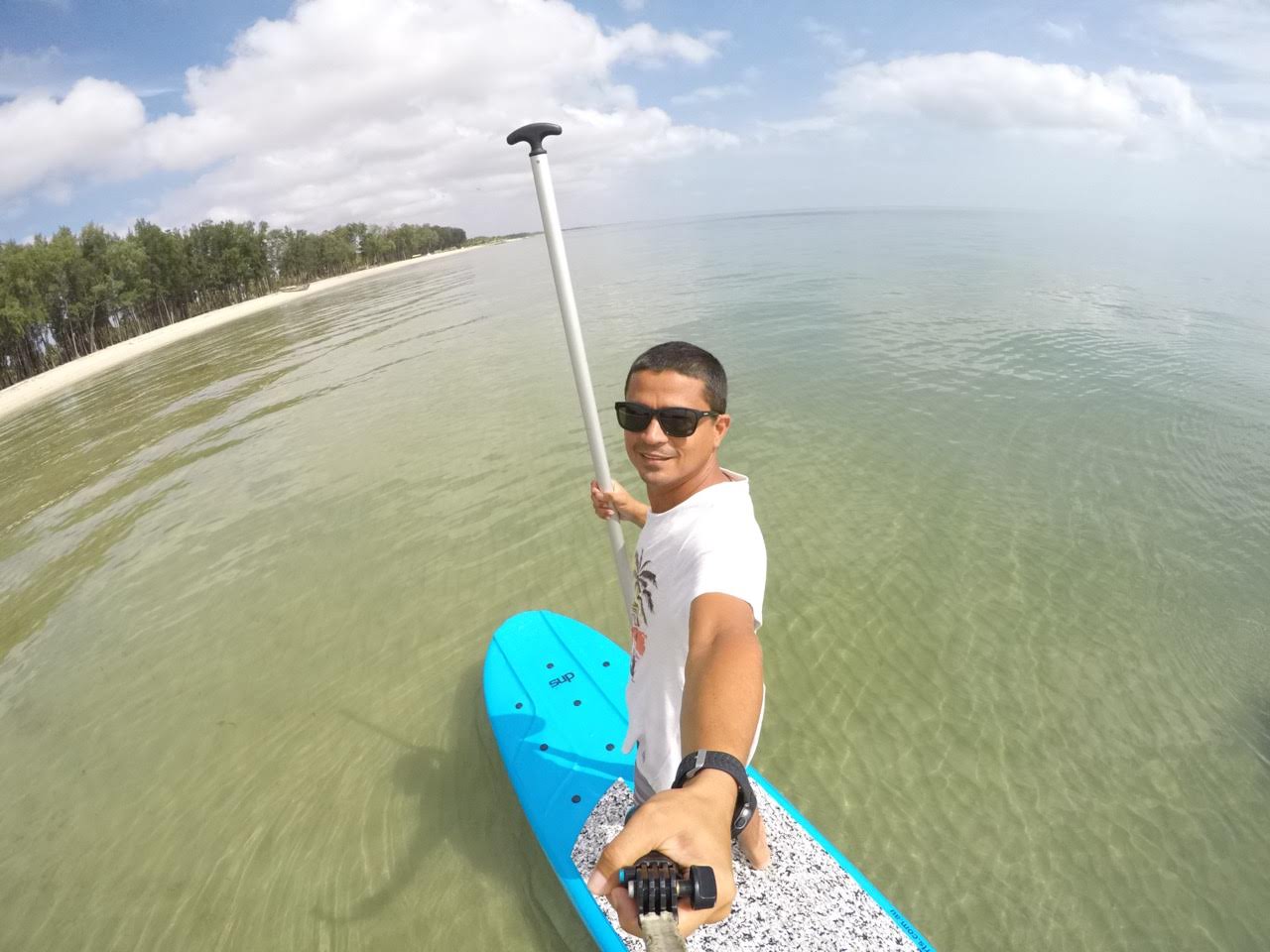
For a slower, closer look at the bay, kayaking and stand-up paddleboarding are the calm alternatives to speedboats and jet skis. Rentals run roughly $30 to $60 an hour, and guided eco-tours around $60 to $100 per person. Here’s where to launch, what you’ll see, and how to pick the right paddle for your skill level.

Paddling gets you onto the water with no motor, no crowd, and no noise — just you and the bay. It’s a great way to see mangrove shorelines, egrets, and the calm flats up close, and it suits everyone from families to solo travelers. It’s also gentler on the wallet than a motorized rental, and it’s one of the easiest water activities to try without any experience.

The mangrove trails around Oleta and the sheltered water near Key Biscayne are the most beginner-friendly. If you want open water and a workout, head to Virginia Key.

Expect roughly $30–$60 per hour for a single kayak and $50–$80 for a double, and similar rates for a stand-up paddleboard. Rentals include the board or kayak, a paddle, and a life vest; some operators throw in a dry bag and a quick safety run-through. Half-day and full-day rates bring the hourly cost down if you plan to spend the afternoon out.

Guided tours add a lot of value beyond the rental: a guide points out the local wildlife, picks the calmest routes, and often includes stops at spots you’d miss on your own. Many operators run morning birding paddles and sunset tours, and the sunset paddle along the skyline is a favorite. Tours usually run $60 to $100 per person with gear included and last one to two hours.
If you’re deciding between the two, kayaks are more forgiving for beginners — you sit down, the boat does the stability work, and it’s easier on your balance and legs. Paddleboarding is a workout for your core and legs and takes a few minutes to feel steady, but offers a higher vantage point for spotting wildlife. First-timers usually find a kayak easier; active travelers often love the challenge of a SUP.
Morning is the best time to paddle almost anywhere in Miami. The bay is calmest before the afternoon wind and boat traffic build up, the light is soft, and birds are most active — which is why birding paddles run early. Midday is hotter and busier, and the water can get choppy on breezy afternoons. If you’re chasing the best photos, a golden-hour evening paddle (around sunset) gives you the skyline backlit and far fewer other boats. Check the wind forecast before you head out; if it’s blowing hard, a sheltered spot like Oleta will be far more pleasant than open water at Virginia Key.
Paddling is the quietest way to get close to Miami’s wildlife. In the mangroves around Oleta and Key Biscayne you’ll spot great blue herons, egrets, and cormorants; in the clear flats, rays, small sharks, and the occasional manatee drifting by. Because you’re silent on the water, wildlife is far less spooked than from a motorboat. Keep a respectful distance, especially around manatees — they’re protected, and paddlers who wait quietly often get the closest encounters.
How much does it cost to rent a kayak in Miami? Expect roughly $30–$60 per hour for a single kayak and $50–$80 for a double; guided tours run about $60–$100 per person.
Where can I kayak in Miami? Oleta River State Park, Virginia Key, and the sheltered water near Key Biscayne are the best spots, with Oleta and Crandon Park best for beginners.
Do I need experience to paddleboard in Miami? No — calm spots like Key Biscayne are great for first-timers, and kayaks are even more forgiving for absolute beginners.
Get the full water-sports picture in the Miami boating guide, then plan the rest of the trip with things to do in Miami and the best beaches.