
Miami sits minutes from the Gulf Stream, which makes it one of the best big-game fishing ports on the East Coast. A private charter runs roughly $450 to $1,200 for a half or full day, while shared drift-fishing boats cost about $50 to $80 per person. Here’s how to pick a charter, what’s in season, and what you’re likely to pull up — so the day ends with a fish story worth telling.
The Gulf Stream — a warm current flowing north — runs surprisingly close to Miami, sometimes within a few miles of shore. That puts the blue water and the big pelagic fish that travel in it within reach of a relatively short ride. The result is world-class fishing for sailfish, dolphin (mahi-mahi), wahoo, and tuna, plus a healthy inshore scene for snapper and grouper closer to the reefs. Few East Coast ports put serious big-game fishing this close to downtown.
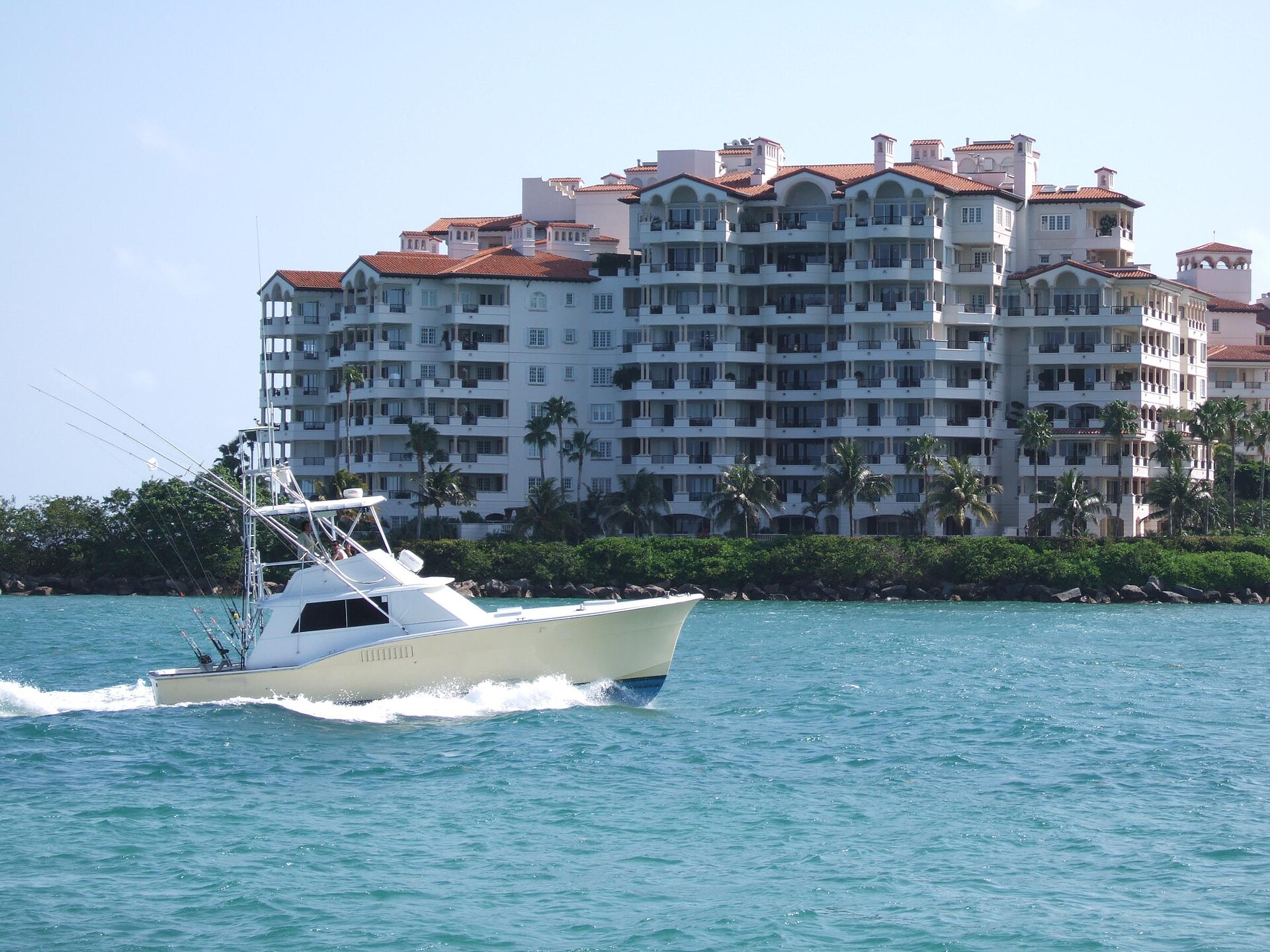
The right choice depends on your time, budget, and patience. Full days fish further offshore and give the captain more room to find active fish. If you’ve never been big-game fishing, a half day is usually enough to get the experience without turning the trip into a marathon.
Your captain will tailor the plan to what’s biting on your date, so you don’t need to master the calendar — but it helps to know what you’re hoping for and to set expectations with the crew ahead of time.
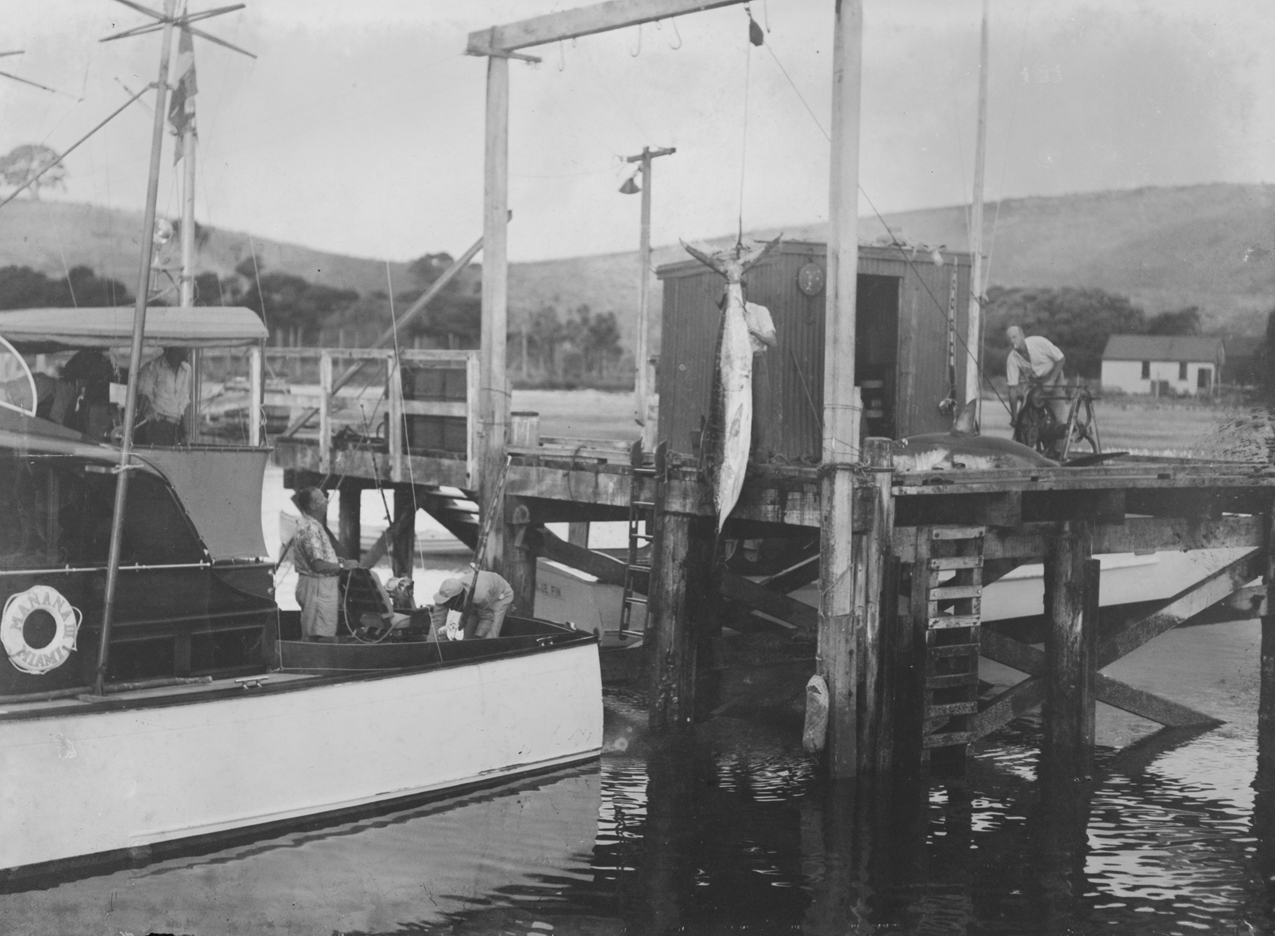
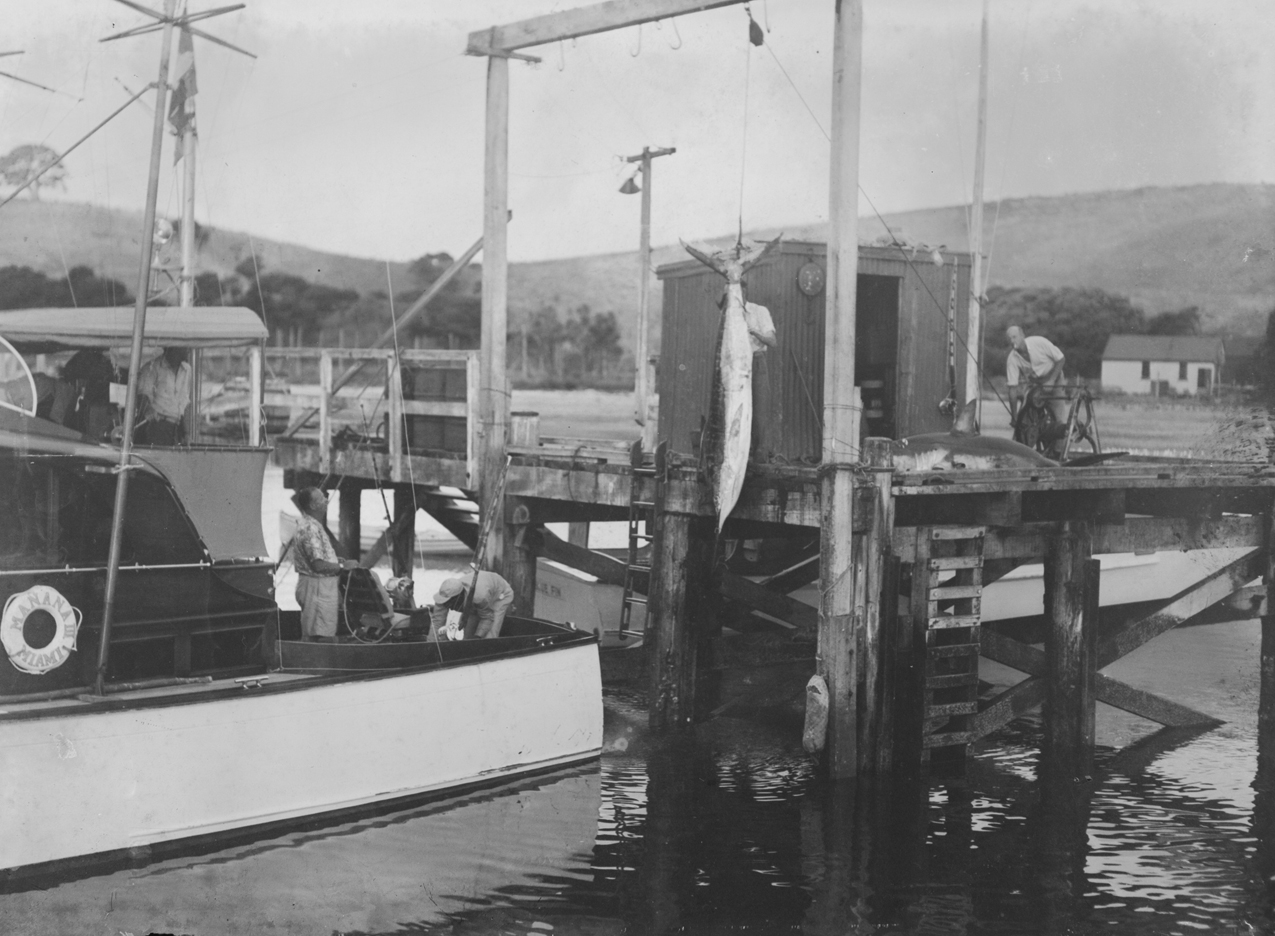
On a typical day you might land mahi-mahi, sailfish, kingfish, snapper, or grouper depending on the season and the depth you fish. Big-game charters often release billfish like sailfish to keep the population healthy, while keeping table fish like mahi and snapper. Ask the captain whether you keep what you catch and whether the boat cleans and bags your fish — most will fillet the keepers on the way back in.
Standard private charters include the boat, captain, mate, fuel, bait, and tackle. Gratuity for the crew is customary and usually not in the base price, and food or drinks are typically bring-your-own unless stated. Booking a reputable, reviewed captain is the single biggest factor in having a good day, so read recent reviews and ask about the crew’s catch history before you hand over a deposit.
Understanding the two styles of fishing helps you pick the right trip. Inshore fishing stays close to shore and over the reefs, targeting snapper, grouper, and tarpon — it’s often cheaper, shorter, and very beginner-friendly, since you’re never far from calm water. Offshore fishing heads out to the blue water and the Gulf Stream, where the big game swims. That’s where sailfish, mahi-mahi, wahoo, and tuna live, and it’s the classic “Miami fishing charter” experience. If you want bragging rights and the full big-game photo, go offshore. If you want a relaxed day catching dinner, inshore is the smarter, cheaper call.
Your charter usually meets at the marina about 15 minutes before departure. The captain runs a short safety talk, the mate rigs the lines, and you head out — for offshore trips that means a ride of up to an hour or more to reach the grounds. Once there, the crew baits up and works the lines, and you take turns fighting whatever hits. The mate is there to help every step, so no experience is needed. On the way back in, the crew cleans and bags any keepers, and you tip the mate and captain at the dock. It’s a full, active, genuinely memorable day out.
How much does a Miami fishing charter cost? A private half-day charter runs about $450–$600, a full day about $800–$1,200, and a shared drift boat about $50–$80 per person.
What fish can you catch in Miami? Depending on season: sailfish, mahi-mahi, wahoo, tuna, kingfish, snapper, and grouper.
Do I need a fishing license in Miami? On a licensed charter, the captain’s license covers the boat; for inshore or shore fishing on your own, a Florida saltwater license is required.
Get the full picture in the Miami boating guide, then plan the rest of your trip with things to do in Miami and the best beaches.