
More than 64,000 people move to Miami-Dade County every single year, making it the second fastest-growing county in the United States. But here’s what the glossy real estate brochures won’t tell you: about 30% of newcomers leave within their first two years.
The difference between the ones who stay and the ones who don’t? They understood what life in Miami actually looks like before they signed the lease.
This isn’t another generic “pros and cons” list written by a storage company in Ohio. This is a ground-level guide from people who navigate the Palmetto Expressway at rush hour, who know which colada window has the shortest line at 3 p.m., and who’ve ridden out more than a few hurricane seasons. Whether you’re considering moving to Miami, already planning your relocation, or just curious about what daily life here feels like, this guide covers everything you need to know in 2026.
What you’ll find inside: real cost breakdowns, honest neighborhood comparisons, job market data, cultural insights, and the insider tips that take most newcomers a full year to figure out on their own.
Forget the Instagram version of Miami for a minute. Yes, the beaches are real. Yes, the sunsets over Biscayne Bay genuinely look like that. But daily life in Miami has a rhythm that surprises most newcomers.
Mornings start early here. By 6:30 a.m., runners already crowd the Rickenbacker Causeway, paddleboarders launch from Crandon Park, and the ventanitas (Cuban coffee windows) have lines three-deep. Miami is a morning city, partly because the afternoon heat makes outdoor activities uncomfortable from June through September, and partly because the culture leans toward early starts and late nights.
The workday varies wildly depending on your neighborhood and industry. Brickell’s financial district buzzes with suit-wearing professionals stepping off the Metromover. In Wynwood, creatives roll into co-working spaces around 10 a.m. wearing paint-stained jeans. In Doral, the business language shifts almost entirely to Spanish.
Speaking of language: if you don’t speak Spanish, you can absolutely get by in Miami. But you’ll hit moments where it helps. Roughly 72.7% of Miami’s population identifies as Hispanic or Latino, according to the U.S. Census Bureau. About 60% of residents speak at least some Spanish, and in neighborhoods like Little Havana, Hialeah, and Doral, Spanish is the dominant language. The city operates bilingually in a way no other American city really does.
Evenings bring the city to life again. Happy hours in Brickell start at 5 p.m. and can stretch past midnight. Dinner reservations rarely start before 8 p.m., sometimes 9 p.m. or later. Miami runs on its own clock, and once you adjust, everything else feels too early.
> Want to explore Miami’s neighborhoods in depth? Check out our neighborhood guides on wemiami.com for street-level perspectives on each area.
For a detailed breakdown, see our complete cost of living in Miami guide.
Let’s address the biggest question first. Living in Miami costs roughly 21% more than the national average, with housing driving most of that gap. The numbers don’t lie, and pretending Miami is affordable doesn’t help anyone plan properly.
The median home price in Miami sits at $573,963 as of March 2026, but that number is almost meaningless because prices vary dramatically by neighborhood.
| Neighborhood | Avg. 1BR Rent | Avg. Home Price | Vibe |
|————-|————–|—————-|——|
| Brickell | $2,800/mo | $900,000+ | Urban finance hub |
| South Beach | $2,600/mo | $750,000+ | Tourist-heavy, nightlife |
| Coral Gables | $2,500/mo | $1,200,000+ | Family, prestigious |
| Wynwood | $2,400/mo | $600,000+ | Arts, trendy |
| Coconut Grove | $2,300/mo | $800,000+ | Laid-back, green |
| Edgewater/Midtown | $2,200/mo | $500,000+ | Emerging, value |
| Little Havana | $1,600/mo | $400,000+ | Cultural, affordable |
Here’s what real monthly expenses look like for a single person and a family of four:
| Expense | Single Person | Family of Four |
|———|————–|—————-|
| Rent (1BR / 3BR) | $2,743 | $4,200 |
| Utilities | $180 | $280 |
| Groceries | $450 | $1,100 |
| Transportation | $350 | $600 |
| Health Insurance | $400 | $1,200 |
| Dining/Entertainment | $400 | $600 |
| Total (excl. savings) | $4,523 | $7,980 |
Financial advisors recommend a minimum annual income of $65,000-$80,000 for a single person and $120,000+ for a family of four to live comfortably. According to the MIT Living Wage Calculator, a single adult needs at least $43,700 after taxes just to cover basics.
Here’s the silver lining that draws thousands of transplants every year: Florida has no state income tax, no estate tax, and no inheritance tax. If you’re moving from New York (where state + city income tax can hit 12%+), California (up to 13.3%), or New Jersey (up to 10.75%), the tax savings alone can offset a meaningful chunk of Miami’s higher living costs.
Take someone earning $150,000 per year. Moving from New York City to Miami could save them roughly $15,000-$18,000 annually in state and local income taxes. That’s real money, and it’s the primary reason Miami has become a magnet for finance professionals and tech workers since 2020.
Explore all neighborhoods in detail in our best neighborhoods in Miami guide.
Choosing the right neighborhood in Miami matters more than in most cities. Each area has a completely different personality, price point, and lifestyle. Here’s an honest breakdown.
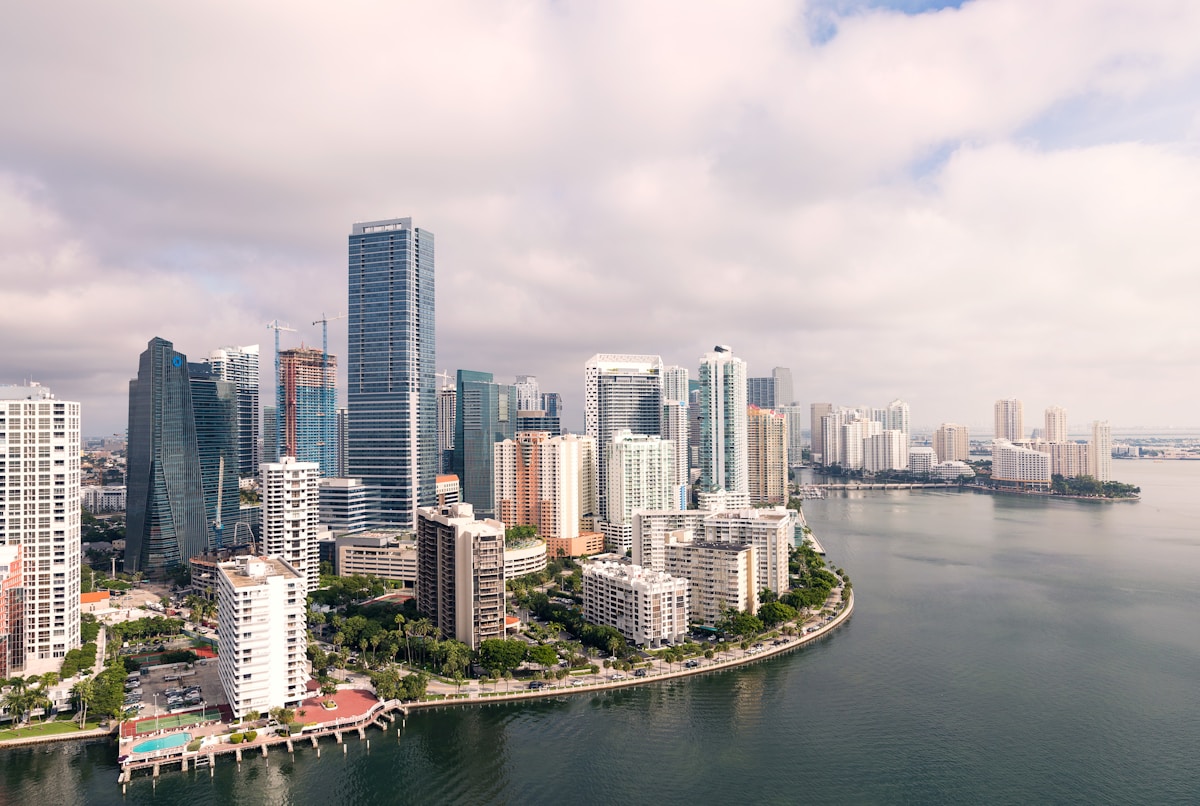
Brickell is Miami’s Manhattan. Luxury high-rises, rooftop bars, Whole Foods on every corner. The financial district energy is real: you’ll see Bloomberg terminals through lobby windows and traders grabbing lunch at La Mar. Average rent runs around $2,800 for a one-bedroom, and the walkability score is among the highest in Miami. The Metromover, Metrorail, and Brightline connections make it one of the few neighborhoods where you genuinely don’t need a car.
The downside? It’s expensive, crowded, and can feel like a bubble disconnected from the rest of Miami.

When Diego moved from Brooklyn to Wynwood in early 2025, he expected a smaller version of Bushwick. What he found was something entirely different. “The street art scene is similar,” he told us, “but the energy is more Latin, more spontaneous. I found my first three freelance clients just by working at Panther Coffee and talking to people.” Wynwood has transformed from an industrial wasteland into one of America’s most vibrant creative districts. Galleries, breweries, and startup offices sit between world-famous murals. Rent is slightly lower than Brickell, and the food scene is exceptional.
Mediterranean architecture, tree-lined streets, top-rated schools, and some of the lowest crime rates in Miami. Coral Gables is where established families and corporate executives settle. The University of Miami anchors the area academically. Expect home prices starting around $1.2 million and a quieter pace than the rest of the city. If your priority is school quality and neighborhood safety, Coral Gables consistently ranks at the top.
The Grove is Miami’s oldest continuously inhabited neighborhood, and it has a bohemian, tree-canopy feel that’s genuinely unique. Local shops, waterfront parks, and a slower rhythm make it popular with young families and creatives who want proximity to the city without the intensity. Saturday mornings at the Coconut Grove Farmers’ Market are a local institution.
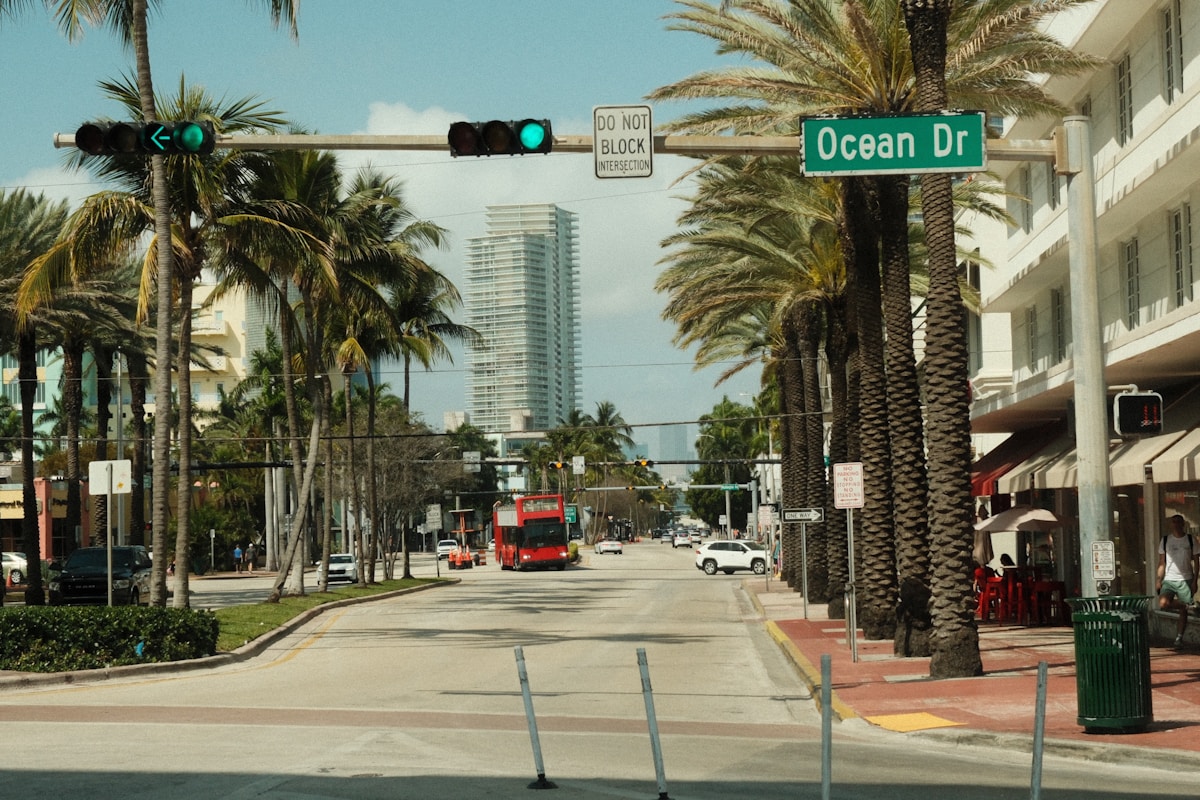
Iconic, expensive, and tourist-heavy. South Beach is fun to visit but divisive as a place to live. The Art Deco architecture is stunning, the beach is steps away, and the nightlife is world-class. But the constant tourist traffic, noise, and inflated prices make many locals choose it for a year or two before moving to quieter neighborhoods.
This is the soul of Cuban Miami. Domino games in Maximo Gomez Park, hand-rolled cigars on Calle Ocho, and some of the best Cuban food in America. Little Havana is also one of Miami’s most affordable neighborhoods, with one-bedroom rents starting around $1,600. If you want to experience the cultural heart of the city at a reasonable price, start here.
These adjacent neighborhoods offer some of the best value in central Miami right now. New developments are going up fast, waterfront views are more affordable than Brickell, and the location between Wynwood and downtown puts everything within reach. Smart buyers and renters are watching this area closely as prices continue to climb.
Miami’s economy is having a genuine moment. The unemployment rate sits at 2.5% as of March 2026, significantly below the national average of 4.4%, according to the Bureau of Labor Statistics. Job growth is projected at 42.7% over the next decade, compared to 33.5% nationally.
Finance and banking lead the charge. Major institutions have expanded Miami operations, drawn by the tax environment and strategic position for Latin American business. Citadel’s relocation from Chicago was the headline, but dozens of hedge funds and fintech companies have followed.
Healthcare is booming, anchored by Baptist Health, Jackson Memorial, and the University of Miami Health System. Tourism remains massive, contributing to a hospitality industry that employs hundreds of thousands across Miami-Dade.
Tech is the fastest-growing story. Miami went from having almost no tech presence to hosting offices for Microsoft, Spotify, Amazon, and hundreds of startups. The “Miami Tech” movement, fueled by former mayor Francis Suarez’s aggressive recruitment, has attracted venture capital and talent from Silicon Valley.
Read our full Miami for digital nomads guide for coworking spaces, tax tips, and more.
Miami has become one of the top destinations for remote workers in the country. No state income tax, year-round warm weather, direct flights to major cities, and a growing co-working scene make it ideal. Spaces like The LAB Miami, Pipeline, and WeWork locations across Brickell and Wynwood cater specifically to the digital nomad crowd.
When Ana, a product designer from San Francisco, switched to fully remote in late 2024, she ran the numbers. Her $3,400 San Francisco studio was eating 40% of her take-home pay after California’s 13.3% state income tax. In Miami, she found a comparable apartment in Edgewater for $2,200, saved roughly $12,000 a year in state taxes, and gained beach access five minutes from her door. “My quality of life improved overnight,” she said. “I actually have savings now.”
Miami’s food scene is arguably the most diverse in the United States. Cuban cuisine is the backbone: you haven’t lived here until you’ve had a proper croqueta from Islas Canarias or a medianoche from Enriqueta’s. But the depth goes far beyond Cuban food.
Colombian arepas in Doral. Haitian griot in Little Haiti. Peruvian ceviche in Brickell. Nicaraguan quesillos in Sweetwater. Argentine parrilla in Coral Gables. The city’s immigrant communities have created a culinary landscape that rivals New York and Los Angeles in variety, often at lower price points.
Art Basel Miami Beach, held every December, transforms the city into the contemporary art capital of the Americas. But culture runs year-round. Wynwood Walls draws visitors globally. The Perez Art Museum Miami (PAMM) sits on Biscayne Bay with a permanent collection that keeps growing. Calle Ocho Festival in March celebrates Latin culture with over a million attendees. The Adrienne Arsht Center hosts world-class performing arts.
Miami’s nightlife needs no introduction. LIV at the Fontainebleau, E11EVEN (the only 24-hour nightclub in the country), and the rooftop bars across Brickell and South Beach are internationally known. But there’s a deeper layer too: intimate jazz bars in Coral Gables, craft cocktail spots in Wynwood, and underground DJ sets in the Design District.
Miami averages 250 days of sunshine per year. January highs hover around 76 degrees Fahrenheit with lows in the low 60s. If you hate winter, this city eliminates it entirely.
Living in Miami means beach access is part of your routine, not a vacation activity. Locals know to avoid South Beach on weekends (too crowded) and instead head to Crandon Park on Key Biscayne, Bill Baggs Cape Florida, or the quieter stretches of Surfside and Bal Harbour. Early morning and late afternoon are the best times; midday sun between May and October is intense.
Let’s be direct: hurricane season runs from June through November, with peak risk in August through October. Preparation is non-negotiable. Every Miami resident needs a hurricane kit, a plan for evacuation routes, and hurricane shutters or impact windows. The reality? Most years pass without a direct hit, but the years that don’t are serious. Hurricane insurance is expensive and mandatory for homeowners.
Beyond the beach, Miami offers access to the Everglades for kayaking and airboat tours, Biscayne National Park for snorkeling and diving, the Oleta River State Park for mountain biking, and dozens of waterways for paddleboarding and fishing. The outdoor lifestyle is year-round, as long as you respect the summer heat.
No guide is useful if it only tells you the good parts. Here’s what frustrates residents most.
The average Miami commute is 56 minutes, one of the worst in the country. Public transportation exists but is limited: the Metrorail covers a single north-south corridor, Metromover serves only downtown and Brickell, and bus service is unreliable in most areas. You’ll almost certainly need a car, and you’ll almost certainly hate the traffic. The Palmetto Expressway and I-95 during rush hour can test anyone’s patience.
This is Miami’s biggest structural problem. The median home price is $573,963, but the median household income is only $52,000. That affordability gap ranks among the worst in the country. Many working-class and middle-class residents are being priced out, and the rental market shows no signs of cooling down.
Beyond the storms themselves, hurricane insurance and flood insurance costs are rising sharply. Homeowner’s insurance in South Florida has become a genuine financial burden, with average premiums significantly higher than the national average. Factor this into your budget before committing.
From June through September, expect temperatures in the low-to-mid 90s with humidity that makes it feel over 100 degrees Fahrenheit. Afternoon thunderstorms are almost daily. Air conditioning isn’t optional; it’s survival. Your electric bill during summer months will reflect that.
Miami’s overall crime rate runs 32% higher than the state average and 64% higher than the national average, according to FBI data. However, crime varies enormously by neighborhood. Coral Gables, Key Biscayne, and Coconut Grove are notably safe. Parts of Overtown, Liberty City, and certain stretches of Miami Gardens require more awareness. Like any large city, common-sense precautions go a long way.
Miami is increasingly attractive for young professionals, especially in finance, tech, and healthcare. Brickell and Wynwood are the social hubs. The nightlife is unmatched. The networking scene is growing. The downside: you’ll need to earn above the national median to live comfortably, and building a social circle takes effort because the city’s transplant population turns over frequently.
See our comprehensive Miami for families guide covering schools, activities, and family neighborhoods.
Coral Gables, Coconut Grove, Pinecrest, and Key Biscayne are the family-focused neighborhoods. Top-rated public and private schools, family-friendly parks, and lower crime rates define these areas. Zoo Miami, the Miami Children’s Museum, and Jungle Island keep kids entertained. Expect higher housing costs in the best school districts.
No state income tax, warm weather year-round, and access to world-class healthcare (Jackson Memorial, Baptist Health, Mount Sinai) make Miami a top retirement destination. The cost of living can be a challenge on a fixed income, but neighborhoods like Kendall, Homestead, and parts of North Miami offer more affordable options.
If you can work from anywhere and your income comes from outside Florida, Miami is one of the best places in the country to be. The tax savings, lifestyle, international airport connectivity (MIA offers direct flights to over 160 destinations), and growing co-working infrastructure make it ideal.
Miami’s international character makes the transition smoother than almost any other American city. The Latin American business connections, multilingual environment, and large expat communities from Brazil, Colombia, Venezuela, Argentina, and beyond create a landing pad that doesn’t exist elsewhere in the U.S.
Miami is home to several nationally ranked medical centers. Jackson Memorial Hospital is the largest teaching hospital in the country. The University of Miami Health System (UHealth) specializes in cancer treatment, neurology, and ophthalmology. Baptist Health operates eight hospitals across the region. For routine care, ChenMed and other primary care networks serve the growing population.
Health insurance costs are above the national average, particularly for individual plans. If you’re self-employed or on a marketplace plan, budget accordingly.
Public schools vary significantly by zip code. Coral Gables Preparatory Academy, MAST Academy on Key Biscayne, and Design and Architecture Senior High (DASH) rank among the best in the state. Miami-Dade County Public Schools is the fourth-largest district in the nation.
Private schools include Ransom Everglades, Gulliver Preparatory, and Palmer Trinity, all highly regarded.
Universities: The University of Miami (UM) is the flagship private institution. Florida International University (FIU) is a major public research university. Miami Dade College is the largest institution of higher education in the country by enrollment.
Avoid I-95 and the Palmetto between 7:30-9:30 a.m. and 4:30-7 p.m. Use the Waze app religiously; Google Maps doesn’t catch Miami’s constantly shifting traffic patterns as quickly. If you work in Brickell, consider the Metrorail from Dadeland or the Brightline from Fort Lauderdale.
Dinner reservations start at 8 p.m., sometimes 9 p.m. Nobody is on time, and that’s culturally normal. “Cuban time” is a real thing, and fighting it only frustrates you. Always carry sunscreen. Always carry an umbrella between June and October. And learn to appreciate a good cafecito; it’s the social glue that holds the entire city together.

Life in Miami isn’t for everyone, and that’s fine. The city rewards people who come prepared, who can handle the heat (literal and financial), and who genuinely appreciate cultural diversity.
Miami is perfect for you if:
Think twice if:
Miami is loud, expensive, beautiful, frustrating, diverse, and alive. It’s a city that demands you meet it on its own terms. Do that, and you’ll understand why 64,000 people choose it every year, and why most of them stay.
—
Exploring a move to Miami or just getting to know the city better? Browse our neighborhood guides, cost-of-living breakdowns, and local event calendars on wemiami.com for everything you need to feel at home in the Magic City.
Miami is a good place to live for people who earn above the median income, enjoy warm weather year-round, and appreciate cultural diversity. The city offers strong job growth (42.7% projected over the next decade), no state income tax, and a lifestyle that blends beach culture with urban energy. However, the high cost of living and traffic challenges make it less ideal for those on tight budgets.
Financial advisors recommend $65,000-$80,000 per year for a single person and $120,000+ for a family of four. According to MIT’s Living Wage Calculator, a single adult needs at least $43,700 after taxes to cover basic expenses. Your actual number depends heavily on which neighborhood you choose and whether you have dependents.
Coral Gables, Coconut Grove, Pinecrest, and Key Biscayne are the top family neighborhoods. They offer top-rated schools, lower crime rates, family-friendly parks, and strong community feel. Expect higher housing costs in these areas, with home prices starting around $800,000 in Coconut Grove and $1.2 million+ in Coral Gables.
Overall crime rates in Miami run higher than national averages, but safety varies enormously by neighborhood. Coral Gables, Key Biscayne, Coconut Grove, and Pinecrest are notably safe. As with any major city, awareness of your surroundings and choosing the right neighborhood are key factors.
The combination of no state income tax, strong job market growth, year-round warm weather, growing tech and finance sectors, and international connectivity makes Miami one of the most attractive relocation destinations in the U.S. Over 64,000 people move to Miami-Dade County annually according to Census data.