
When Miami locals want a beach day without Instagram influencers, valet lines, and $18 rum drinks, they cross the Rickenbacker Causeway to Key Biscayne. The 7-mile barrier island sits just 4 miles off downtown Miami, but the vibe is a completely different state — calmer water, older shade trees, families on picnic blankets, and a lighthouse that has been standing since 1825.
Key Biscayne’s beaches are also consistently ranked among the best in the continental United States. Crandon Park made the USA Today Top 10 Beaches list multiple times, and Bill Baggs Cape Florida State Park has its own cult following. This guide covers every Key Biscayne beach, real parking fees, the honest pros and cons, and the local tricks that change the experience entirely.
| Beach | Parking Fee | Best For | Crowds |
| Crandon Park Beach | $5 wkday / $7 wkend | Families, calm water | Moderate |
| Bill Baggs Cape Florida | $8 per car | Nature, lighthouse, quiet sand | Low-Moderate |
| Virginia Key Beach Park | $8 per car | History, kayaking, no crowds | Very Low |
| Hobie Island Beach Park | Free | Kitesurfing, sunsets | Low |
Key Biscayne is accessible only via the Rickenbacker Causeway, a toll bridge that connects the island to downtown Miami. The toll is $2.25 per car (cash or SunPass) — pay close attention, because the tolls are enforced automatically and missing one generates a mailed violation.
The drive from Brickell or Downtown is 15-20 minutes in light traffic. On weekend mornings in season (November through April), allow 35-45 minutes. The causeway backup on Saturday mornings is real, and it gets worse after 10 AM.
Local tip: Arrive before 9 AM or after 2 PM to avoid the worst of causeway traffic and to find parking without waiting. The late-afternoon arrival also works for locals who want golden-hour beach time without the midday heat.
Crandon Park Beach is the most famous Key Biscayne beach and for good reason. The 2-mile stretch of soft sand runs along the north end of the island, protected by a coral reef that keeps the water calmer than most Miami beaches. The result is ankle-to-knee-deep water for dozens of yards offshore — perfect for families with young children.
Crandon is more than a beach. The 1,200-acre park includes:
Crandon Park charges $5 per car on weekdays and $7 per car on weekends and holidays. The parking lot is large and rarely fills except on peak season Saturdays. Credit cards are accepted at the entrance gate.
Best for: Families with kids, picnickers, anyone who wants a complete day with food, shade, and activities beyond just swimming.
Not great for: Anyone looking for seclusion or dramatic scenery. Crandon is developed and busy on weekends, even if it never reaches South Beach levels.
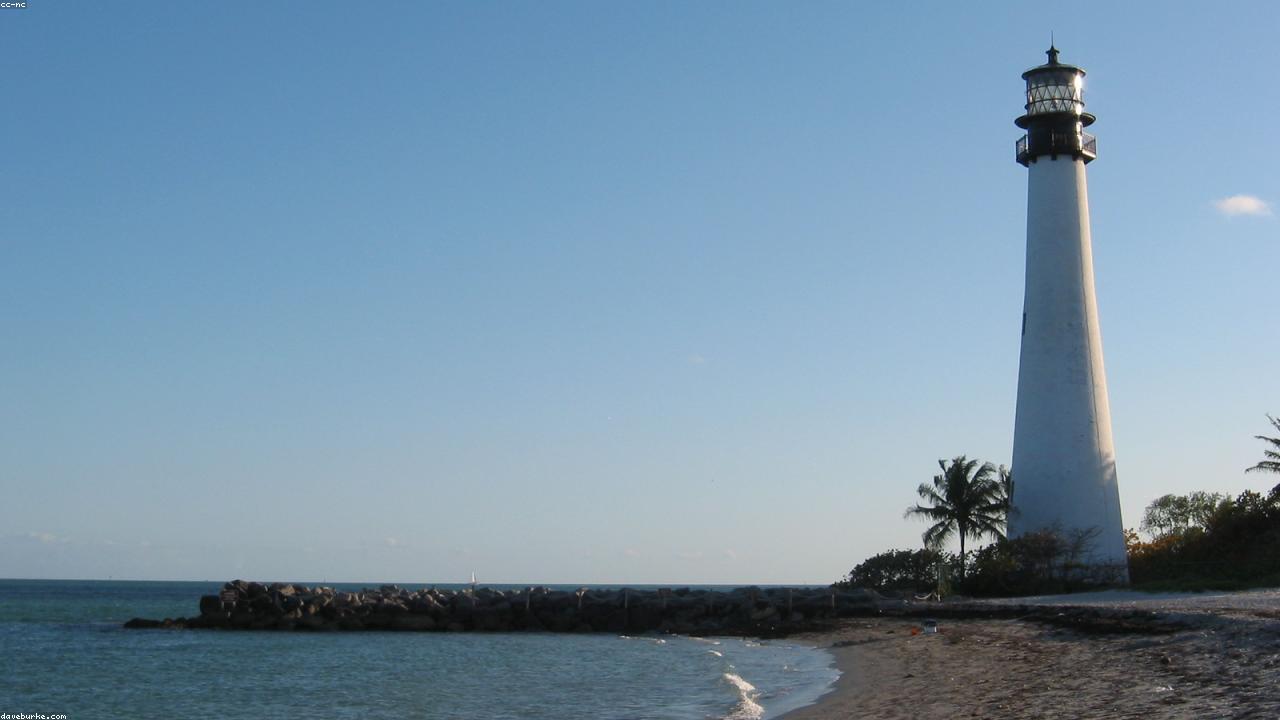
At the southern tip of Key Biscayne, Bill Baggs Cape Florida State Park delivers an experience you cannot find anywhere else in Miami. This 494-acre state park centers on the Cape Florida Lighthouse, built in 1825 and the oldest standing structure in Miami-Dade County. The beach runs 1.25 miles along the Atlantic side, and the park includes a historic keeper’s cottage, nature trails through native hammock, and kayaking through protected coves.
Bill Baggs charges $8 per car (2-8 people) at the entrance gate. Solo drivers pay $4. The parking lots are spread throughout the park — the beach lot fills first on weekends, but the lighthouse and picnic area lots usually have space.
The water at Bill Baggs is often clearer than at Crandon, and the shade from sea grape trees along the beach is exceptional. The state park’s conservation status means no hotels, no high-rises, and no commercial development visible from the beach — just lighthouse, sand, and ocean. For Miami, that is rare.
Best for: Nature lovers, history buffs, couples, photographers, and anyone who wants to experience Old Florida within 20 minutes of downtown Miami.
Not great for: Visitors expecting beach clubs, bars, or amenities. This is a nature-first experience.
The Cape Florida Lighthouse is the oldest standing structure in Miami-Dade and survived the Second Seminole War, when it was attacked in 1836. The keeper’s cottage has been restored as a small museum. Lighthouse tours operate Thursday through Monday at 10 AM and 1 PM — free with park admission but limited to 15 people per tour, so arrive early.
Virginia Key Beach Park is the least-visited and historically most significant of the Key Biscayne area beaches. During the segregation era, from 1945 to the mid-1960s, it was the only beach in Miami that allowed Black residents. The park was restored in 2008 and now operates as a living historic site.
Parking is $8 per car on weekends and holidays, $5 on weekdays. Cash or credit card accepted at the entrance.
Best for: Visitors who want history alongside beach time, kayakers, families looking for a low-crowd alternative to Crandon, and anyone curious about Miami’s Civil Rights history.
Important note: Virginia Key is technically on a separate island accessed from the Rickenbacker Causeway before you reach Key Biscayne proper. Follow signs for Virginia Key Beach Park.
Hobie Island is a small sliver of land on the Rickenbacker Causeway, just before you reach Virginia Key. It is not a traditional beach — more like a protected bay with calm, shallow water — but it is free, and it is the best sunset spot in Miami. The views of the downtown skyline across Biscayne Bay are unmatched.
Best for: Sunset chasers, kiteboarders, and anyone who wants a free beach experience. It is also a good stop on the way home from Crandon or Bill Baggs if you want one last view before crossing the causeway.
Not great for: Anyone looking for a “real” beach with waves, amenities, or deep swimming water.
The right beach depends on what you want from your day:
Unlike South Beach, Key Biscayne’s beaches are quieter and less commercial, which means fewer places to buy things on the fly. Pack for a full day:
Weekdays are always better. Key Biscayne beaches are manageable on weekends, but Saturday afternoons in season (November-April) bring meaningful crowds and parking lot waits.
Morning arrivals beat afternoon. Arrive by 9 AM to get prime parking, shade, and the calmest water. The afternoon sea breeze picks up around 1 PM and stirs the surf.
Low season (June-September) means fewer crowds but hotter days and afternoon thunderstorms. Arrive early, leave by 2 PM, and you avoid both the peak heat and typical summer storms.
Avoid: Spring break (mid-March) and major holiday weekends. Even Key Biscayne gets noticeably crowded during these windows.
Is parking free at Key Biscayne beaches?
No. Crandon Park charges $5-7, Bill Baggs charges $8, and Virginia Key charges $5-8. Only Hobie Island on the causeway offers free parking.
Can you walk between the Key Biscayne beaches?
No. Crandon Park, Bill Baggs, and Virginia Key are separate parks several miles apart. You need a car or bike to move between them.
Which Key Biscayne beach has the clearest water?
Bill Baggs Cape Florida generally has the clearest water because the park is at the southern tip of the island with less runoff and more open ocean influence.
Are dogs allowed on Key Biscayne beaches?
Dogs are not allowed on the beach at Crandon Park, Bill Baggs, or Virginia Key. For dog-friendly beaches in Miami, see our dog-friendly beaches guide.
Is Key Biscayne safe to swim?
Yes. All three main beaches have lifeguards during daytime hours, and the water is protected by reefs and coves, making it calmer than open Atlantic beaches. Always obey lifeguard flags for current conditions.
Key Biscayne is the Miami beach experience most tourists miss, and that is why locals protect it. If you want calm water, shade, a lighthouse, and beaches that still feel a little bit like Old Florida, cross the causeway. For more on Miami beaches beyond the island, check our full best beaches in Miami guide.
—
Planning a full Miami beach trip? See our family beaches guide, hidden beaches, and Miami beach safety guide for more. Visit wemiami.com for more local insights.